




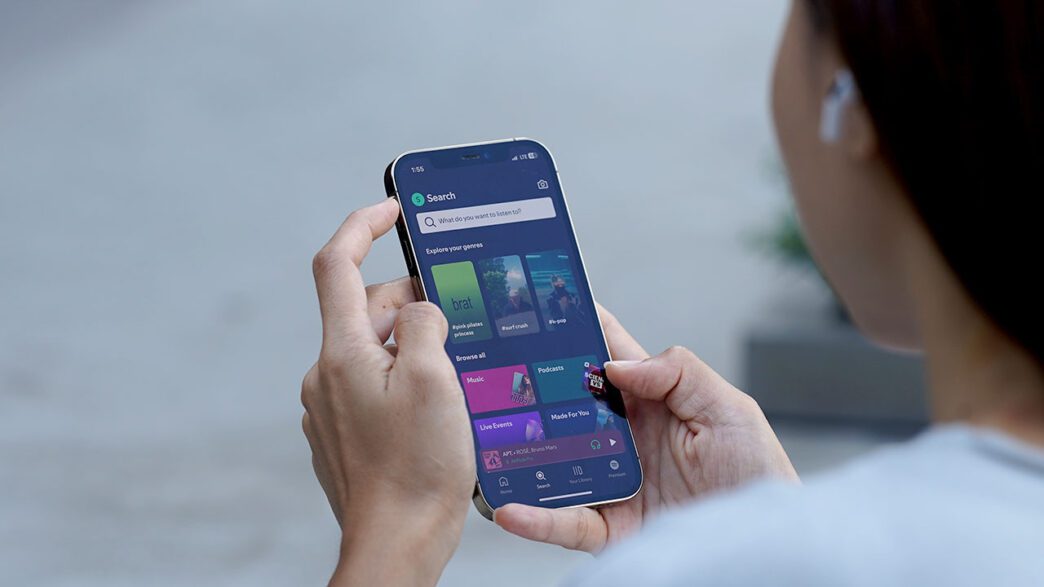
Spotify is hiking the price of its Premium subscription plan in the U.S. beginning next month.
In a notice sent to users Thursday, the streaming giant said the cost of its Premium Individual plan will increase from $11.99 to $12.99 per month, starting with users’ February billing cycles.
“Occasional updates to pricing across our markets reflect the value that Spotify delivers, enabling us to continue offering the best possible experience and benefit artists,” a Spotify spokesperson told FOX Business in an email. 
The company offers an advertising-supported free service with limited features and a subscription-based paid service that gives access to all its functionality, with Premium subscribers accounting for most of its revenue.
SPOTIFY UPDATING APP FOR US USERS AFTER COURT RULING IN APPLE CASE
The company said its Premium subscribers across the U.S., Estonia and Latvia will receive an email over the next month that will explain what the update means for their subscriptions.
Spotify will also raise prices for its other Premium plans, Billboard reported.
The Premium Family plan will increase by $2, from $19.99 to $21.99. The Premium Duo plan will rise from $16.99 to $18.99. The Premium Student plan will jump from $5.99 to $6.99, according to Billboard.
THOUSANDS OF SPOTIFY USERS REPORT ISSUES ON APP, WEBSITE
The move marks the latest in a string of price hikes the company has implemented in the past few years.
In June 2024, Spotify increased prices for its Premium plans in the U.S. to $11.99, up from $10.99. That marked the second time in less than a year as the audio streaming giant tried to expand its margins.
SPOTIFY RAISING US PRICES FOR PREMIUM PLANS, AGAIN
Spotify, which boasts more than 713 million users, has continually told customers that its price hikes are critical to helping the company invest in and innovate its product offerings and features.
GET FOX BUSINESS ON THE GO BY CLICKING HERE
Prior to 2024, Spotify raised prices in July 2023, which was the first time it increased them since the service launched in the U.S. in 2011.