


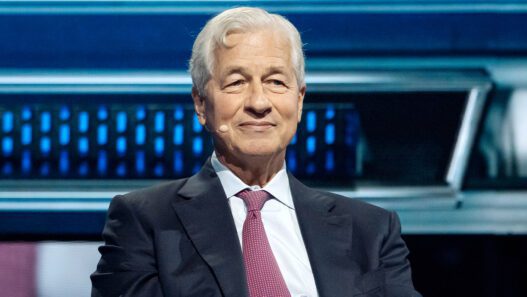
JPMorgan Chase CEO Jamie Dimon said Tuesday that Justice Department grand jury subpoenas issued to the Federal Reserve risk undermining the central bank’s independence and could ultimately push inflation expectations higher.
“While I don’t agree with everything that the Fed has done, I do have enormous respect for Jay Powell, the man,” Dimon said during a call with reporters after the company announced its fourth-quarter earnings report, according to Yahoo Finance.
“Everyone we know believes in Fed independence … anything that chips away at that is probably not a good idea. In my view, it will have the reverse consequences. It will probably raise inflation expectations.” 
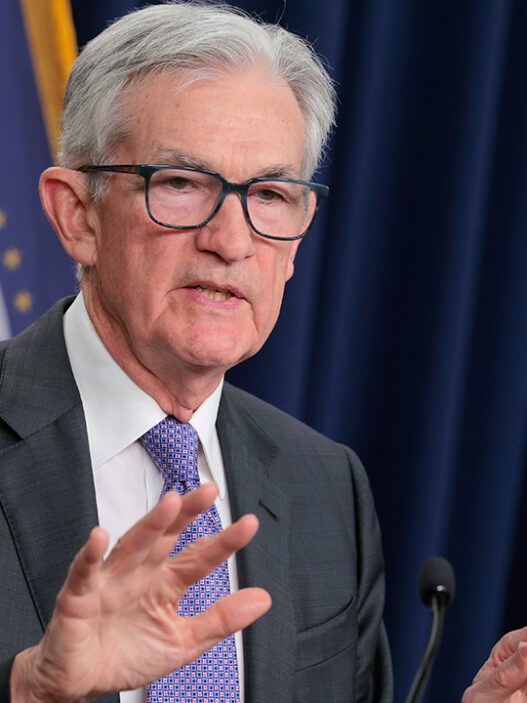
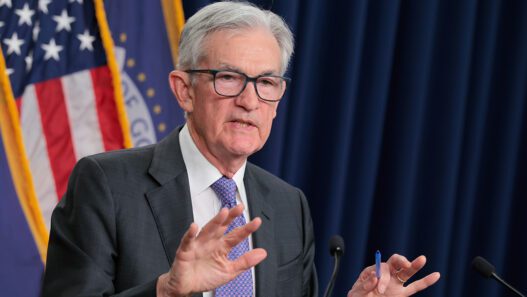
Dimon’s remarks followed a video statement Sunday from Federal Reserve Chairman Jerome Powell, who said the Justice Department served the central bank with grand jury subpoenas.
POWELL REVEALS WHAT IT WOULD TAKE TO STEP DOWN FROM THE FED AS PRESSURE MOUNTS
Powell described the move as a threat of criminal indictment related to his June testimony before the Senate Banking Committee and as a “consequence of the Federal Reserve setting interest rates based on our best assessment of what will serve the public, rather than following the preferences of the president.”
The Senate testimony focused in part on a multi-year, $2.5 billion project to renovate two Federal Reserve office buildings — the Marriner S. Eccles Federal Reserve Board Building and the 1951 Constitution Avenue Building.
Several Republican lawmakers, including Sens. Thom Tillis, R-N.C., and Lisa Murkowski, R-Alaska, questioned the Justice Department’s motive, raising concerns about the potential impact on financial markets.
“If the Department of Justice believes an investigation into Chair Powell is warranted based on project cost overruns — which are not unusual — then Congress needs to investigate the Department of Justice,” Murkowski said in a post on X.
“The stakes are too high to look the other way: if the Federal Reserve loses its independence, the stability of our markets and the broader economy will suffer.”